How to Clean a Coffee Machine
A how-to guide on cleaning espresso machines and Nespresso makers.
Cleaning any coffee machine is a habit that we all need to adopt.
Coffee is particularly oily and when you leave the remnants of coffee grinds on any machine the build-up will eventually result in future coffees tasting bitter.
The leftover coffee grounds have already been extracted and their delicious flavours are no more.
What is left is the unwanted plant-like centre of the coffee grounds that have an extremely bitter taste. This is coupled with the leftover coffee growing stale which adds even more to the unwanted bitterness of unclean coffee machines.
Type of Coffee Maker
- Espresso Machine
- Nespresso Machine
Coffee machines also do operate much better when they’re clean. Just like the feeling of hopping out of the shower on a Saturday morning, coffee machines are at their absolute best after a good scrub.
It takes literally seconds and if you actually want to taste something other than bitterness (which I’m guessing you do if you’re here) then it’s certainly worth it.
How to Clean an Espresso Machine
Just so you know. When you buy via the links on our blogs, we may earn an affiliate commission at no cost to you. Learn More
If you have a home espresso machine then there is a good chance you have spent a significant amount of money already and more importantly you’re looking to brew high-quality delicious espresso.
By not taking care of and cleaning your machine you not only risk damaging it but also the coffee that you extract will start to decrease in quality.
Even a small amount of coffee that is leftover on the shower or the group head can affect the next shot with bitter flavour notes.
Depending on the particular type of machine you have will determine your cleaning cycle. This guide is for a home espresso machine with a built-in water tank and portafilter.
What you need
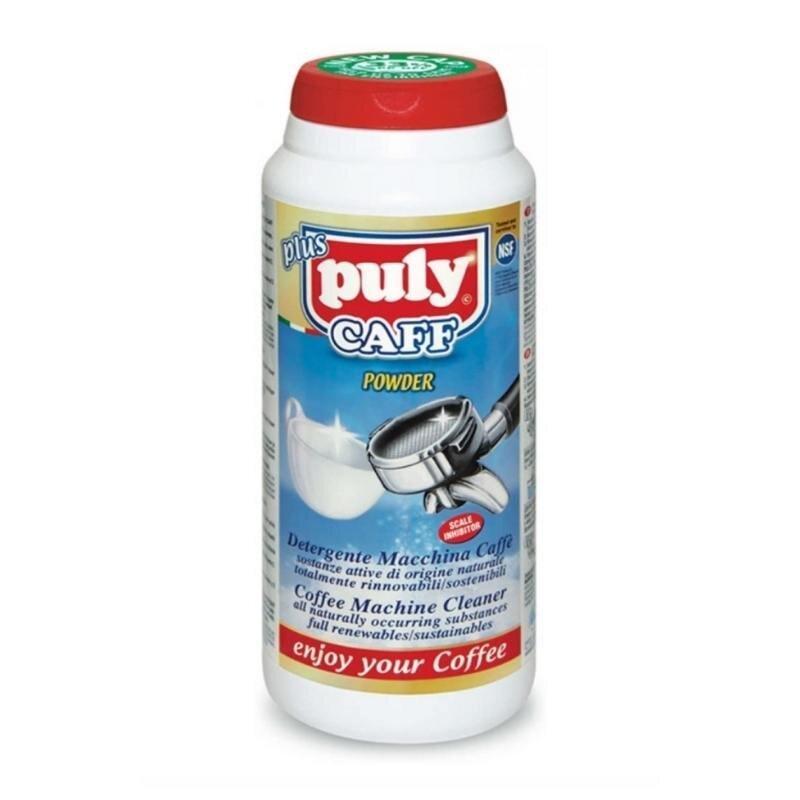
Espresso Cleaner

Coffee scales
Every Day Cleaning
If you use your espresso machine every day then it is important to spend a minute cleaning it before you leave it for the next day.
1. Empty the portafilter basket into the bin or knock tube.
Make sure all the coffee is knocked out and give the basket a quick wipe with a dry cloth.
2. Run the espresso machine.
Start the espresso machine as if you are making a shot. Lock the portafilter in and out of the group head continuously about 10 times. This dislodges any espresso grinds.
3. Clean the group head.
With a cloth clean the shower screen and the inside of the group head.
4. Clean the portafilter.
Take apart the portafilter and give it a good clean with hot water to make sure there is no espresso residue left over.
Lock it into place and run a shot of water through.
5. Clean the steam wand.
Scrub the steam wand or let it soak in hot water and then clean the exterior of the machine.
Every Week Cleaning
In a coffee shop, espresso solution is used after each day, however, unless you’re pumping out over 40 coffees per day then you should carry this out every week.
1. Blank Portafilter
Empty the portafilter and remove the basket in place of the blank.
2. Lock into the machine
Now lock the blank in and pull a shot. Lock in and out 10 times to remove any grinds from the shower or group head.
3. Add espresso cleaner
Add a little water into the blank basket and around half a teaspoon of espresso cleaner or a tablet.
4. Run the cleaning cycle
Lock the portafilter in and either run the cleaning cycle or manually pull a shot.
5. Flush with water
When the cycle has finished or after 2 minutes of a manual shot, remove the portafilter and rinse. Now repeat this process without any solution.
How to Clean a Nespresso Machine
Nespresso machines are now an everyday kitchen appliance. Thousands grace the kitchen work surfaces around the world. With a quick clean every so often you will not only be able to make much tastier coffee but the machine will last longer too.
The Nespresso descaling solution is primarily citric acid, therefore you can substitute this with citric acid and water or white vinegar with water (equal parts). All the solutions work effectively so it’s a personal preference.
What you need
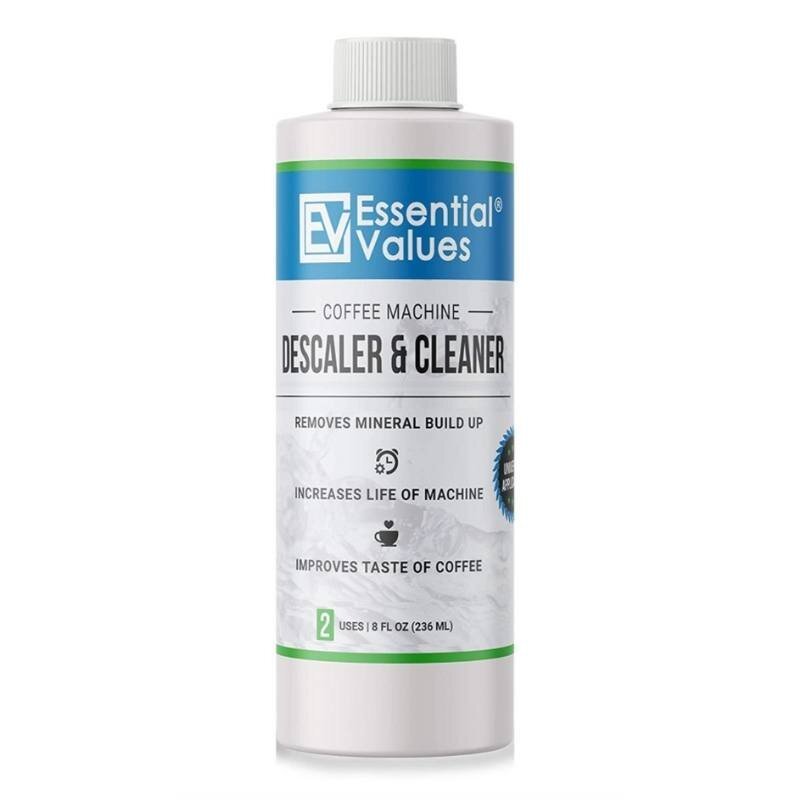
Descaling Solution
Coffee scales
Instructions
1. Disassemble the machine
Remove all the parts that can be detached and them in hot soapy water then leave to air dry.
2. Fill the water reservoir with solution
Fill the reservoir with either 250ml of the Nespresso descaling solution or equal parts white vinegar and water.
3. Start the cycle
Start the machine as though you are making a coffee without the coffee pod making sure the liquid is collected in a jug, repeat this step until there is no liquid in the reservoir.
4. Fill with water
Rinse the reservoir first and then fill it with water and start the machine again without a pod. Repeat twice.
You should clean all of the detachable parts every week (depending on how often you use your machine). Descaling should be done every three months.
If you don’t have any of the solution or vinegar, then still follow the steps but with warm water instead. This should still remove much of the build-up.
TIP:
Every ten times you use your machine (so say every week) flush a couple of shots of water through by starting the brew cycle without a K cup. This will help prevent any build-up of oily coffee grounds.
FAQs
How often should you clean a coffee machine?
You should carry out a little bit of cleaning after every use. Depending on the type of machine and how often you use it, you should deep clean and descale your coffee machine every 4 weeks.
What is coffee machine descaler?
Coffee machine descaler is primarily made uo of citric or lactic acid. You can use alternative non-coffee specific descalers to clean your machine too.
Can I use vinegar to clean my coffee machine?
Yes. Vinegar is a good substitute for coffee machine cleaner. The high acidity of vinegar replaces the citric acid in the descaler.
What happens if you don’t clean your coffee machine?
Failing to clean your coffee machine regularly can have some rather unpleasant consequences. Studies have found that up to 50% of coffee machines contain bacteria, yeast, or mould – particularly in the water reservoir. The warm, moist environment inside your machine creates the perfect breeding ground for these nasties.
Some of the bacteria found in dirty coffee machines include E. coli and other harmful strains that can potentially cause illness. Research has revealed that up to 67 different variants of bacteria can be present in an uncleaned machine. Whilst the high heat from brewing kills some of these organisms, it’s not foolproof – especially for immunocompromised individuals or those with sensitivities.
Beyond the health risks, a dirty machine will also severely impact your coffee’s taste. The build-up of old coffee oils and grounds will make your brew taste increasingly bitter and unpleasant. Coffee oils and residue accumulate on the inside of the machine, intensifying coffee’s bitter notes and spoiling what should be a delicious cup.
Finally, neglecting to clean your machine can lead to serious damage. Limescale residue can block your main water line and cause irreparable damage to your brewer, dramatically reducing its lifespan. Regular cleaning isn’t just about hygiene – it’s about protecting your investment and ensuring every cup tastes brilliant.
Can I use baking soda to clean my coffee machine?
Absolutely! Baking soda is a fantastic natural alternative to vinegar for cleaning your coffee machine. It’s a powerful natural cleaner that contains no harmful chemicals and is safer than most manufactured cleaning solutions. Plus, it won’t leave behind that strong vinegar smell that some people find off-putting.
To clean your machine with baking soda, mix a quarter cup of baking soda with one cup of warm water until it’s fully dissolved. Pour this mixture into your machine’s water reservoir and run a complete brewing cycle. Let it sit for about 30 minutes, then finish the cycle. Afterwards, run two to three cycles with clean water to thoroughly rinse out any residue.
Baking soda’s natural alkaline properties dissolve dirt and grease without harming rubber gaskets or plastic parts in your machine. This makes it gentler on your machine than vinegar, which can be quite acidic. However, whilst baking soda is excellent for general cleaning, it may be less effective than vinegar at removing heavy limescale build-up.
Other natural alternatives include lemon juice, citric acid, or even denture tablets – all of which can effectively clean your machine without harsh chemicals. The key is to choose whichever method works best for you and your machine, and to clean regularly. Your morning brew will thank you for it!